

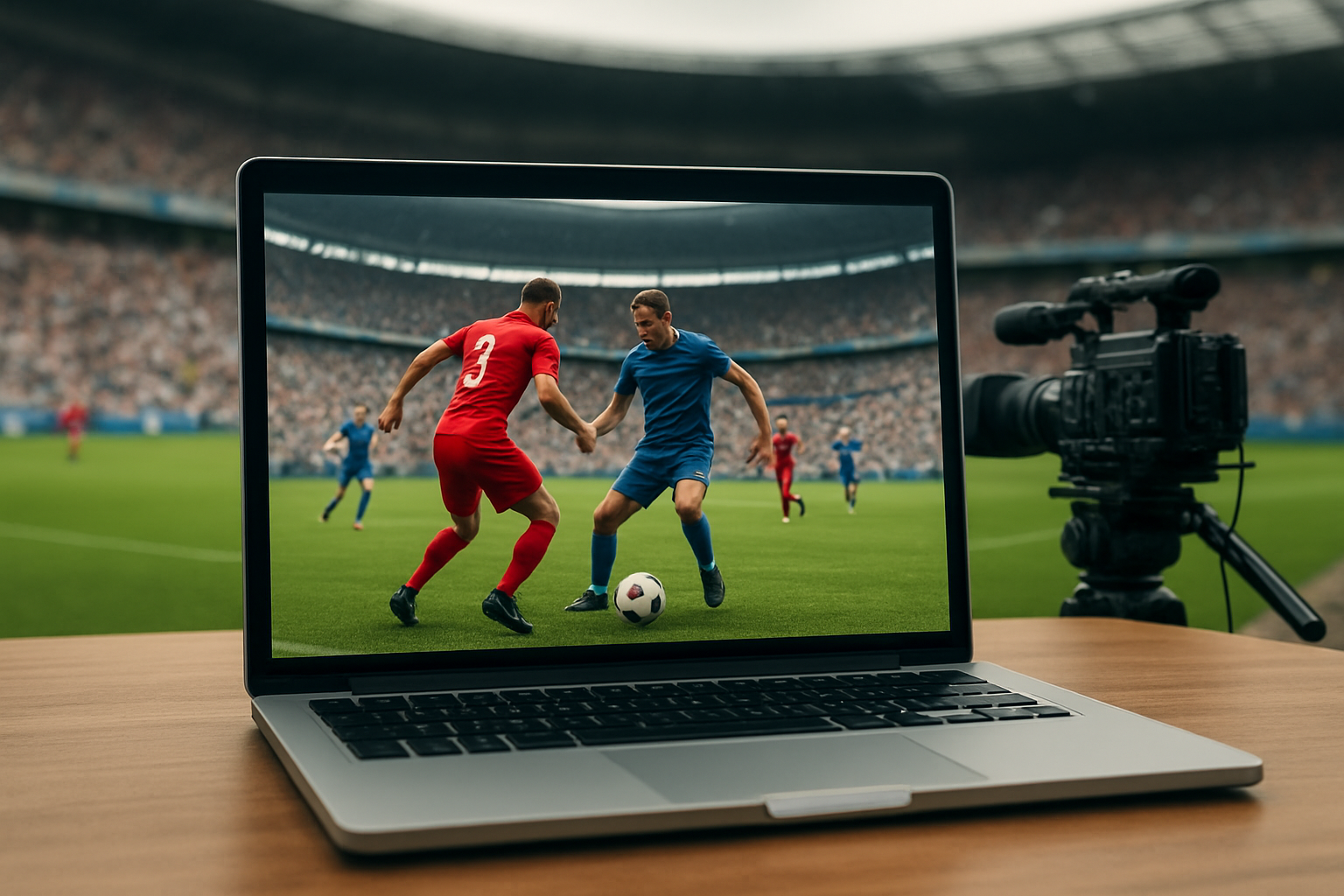
Live sports have become an increasingly important part of digital entertainment as audiences look for ways to follow competitions in real time. The growing preference for connected viewing has also changed how fans interact with sporting events throughout the day. In this wider digital landscape, streameast live reflects the growing interest in real-time sports experiences, where immediacy, accessibility, and audience engagement are central themes. Statistics surrounding digital viewing habits show how strongly live content continues to influence modern entertainment.
Table of Contents
- Why is real-time sports viewing so engaging?
- How has digital technology changed sports viewing?
- What statistics help measure live sports interest?
- Why does accessibility matter during live events?
- How do major sporting events affect audience numbers?
- Does mobile viewing influence live sports habits?
- What makes a digital sports experience appealing?
- How is the future of live sports viewing developing?
- Conclusion
Why is real-time sports viewing so engaging?
Real-time sports create a distinctive connection between audiences and events because the outcome develops moment by moment. Unlike on-demand entertainment, live competitions encourage viewers to stay attentive as the action unfolds.
Audience engagement can become particularly strong during close matches, decisive stages, championship events, and important fixtures. Viewing activity often rises around these moments, creating noticeable peaks in digital audience statistics. The unpredictable nature of sports is one of the strongest reasons fans remain interested throughout a live event.
How has digital technology changed sports viewing?
Digital technology has introduced greater flexibility into sports consumption. Audiences can now interact with entertainment through smartphones, tablets, computers, and connected television systems.
This shift has created a more adaptable viewing culture. Fans can choose devices according to their surroundings and preferences instead of following one fixed entertainment format. The expansion of mobile internet usage is especially significant because it demonstrates how digital content has become closely connected with everyday routines.
What statistics help measure live sports interest?
Several metrics can provide useful insight into live sports consumption. Peak concurrent viewers, average viewing duration, returning audience rates, device distribution, and event-specific activity are among the most relevant measurements.
Peak audience figures indicate the moments that attract the greatest attention. Average session duration provides insight into how long audiences remain engaged, while returning-user statistics can demonstrate sustained interest across multiple events. Device data adds another perspective by showing how viewing habits differ between mobile and larger screens.
Together, these indicators provide a more detailed picture of digital sports behavior.
Why does accessibility matter during live events?
Accessibility can have a major influence on the overall viewing experience. Sports fans often want information and entertainment to fit naturally around their daily schedules.
Flexible digital access supports this expectation by allowing audiences to follow sporting activity from different locations and devices. This convenience is particularly relevant when events take place at different times or attract international audiences across multiple time zones.
The broader growth of connected entertainment suggests that flexibility is becoming an increasingly valuable characteristic of modern sports consumption.
How do major sporting events affect audience numbers?
Major competitions can produce significant increases in audience activity. Championship games, finals, international tournaments, and highly anticipated matchups commonly attract greater attention than routine events.
These viewing peaks are useful from a statistical perspective because they reveal the relationship between event importance and audience behavior. Consistent sporting schedules also contribute to regular engagement by giving fans recurring opportunities to follow competitions and teams they enjoy.
Does mobile viewing influence live sports habits?
Mobile viewing has become an important part of digital entertainment. Smartphones allow audiences to remain connected with online content while moving between different parts of their daily lives.
For sports enthusiasts, mobile access can support flexible consumption during travel, breaks, or other situations where a traditional screen may not be available. Increasing mobile traffic across digital entertainment categories demonstrates the continuing importance of adaptable viewing experiences.
What makes a digital sports experience appealing?
A positive sports experience combines several elements, including clear organization, convenient access, responsive design, and engaging live content. When these characteristics work together, audiences can interact with sports entertainment more naturally.
Data-driven design also allows digital experiences to respond to changing audience behavior. Viewing statistics can identify popular events, preferred devices, high-activity periods, and recurring engagement patterns, providing valuable insight into future improvements.
How is the future of live sports viewing developing?
The future of digital sports viewing is closely connected with advances in connectivity, display technology, personalization, and audience analytics. Faster networks and increasingly capable devices can support smoother and more flexible entertainment experiences.
As audiences become more comfortable with digital platforms, expectations for convenience and responsiveness are likely to continue increasing. This creates opportunities for sports entertainment to become more personalized and engaging.
Conclusion
Live sports continue to hold a strong position in the digital entertainment landscape because they combine immediacy, excitement, and recurring audience interest. Statistics such as peak viewing activity, session duration, mobile usage, and returning audiences help explain the strength of this trend. As technology advances and viewing habits become more flexible, real-time sports entertainment is positioned to remain an important and engaging part of modern digital culture.
The Short Version
- Live sports viewing has increased in importance as audiences seek real-time competition engagement.
- Digital technology has enabled flexibility in sports consumption, allowing fans to use various devices for viewing.
- Peak concurrent viewers and average viewing duration are key metrics for measuring interest in live sports.
- Mobile viewing has become crucial, allowing sports fans to stay connected while on the go.
- Major sporting events significantly boost audience numbers, indicating the relationship between event importance and viewer engagement.
- The future of live sports viewing is tied to advancements in technology, personalization, and audience analytics.
The Short Version
- Live sports are increasingly prioritized in digital entertainment as audiences seek real-time competition engagement.
- Digital technology has transformed sports viewing by allowing flexible consumption across various devices like smartphones and tablets.
- Key metrics such as peak concurrent viewers, average viewing duration, and event-specific activity help measure interest in live sports.
- Accessibility during live events enhances the viewing experience, allowing fans to follow sports from different locations and devices.
- Major sporting events significantly boost audience numbers, highlighting the correlation between event importance and viewer engagement.
- Mobile viewing plays a crucial role in digital sports consumption, enabling audience connection while on the move.
The Short Version
- Live sports have become a key component of digital entertainment as audiences seek real-time competition updates.
- Digital technology has increased flexibility in sports consumption, allowing fans to use various devices for viewing.
- Major sporting events typically see significant spikes in audience activity, indicating a strong correlation between event importance and viewer engagement.
- Mobile viewing has become crucial for maintaining connection with sports content, supporting flexible consumption throughout daily routines.
- The future of live sports viewing is expected to evolve with improvements in connectivity, technology, and personalization, enhancing audience engagement.